%2Ffit-in%2F250x250%2Fusers%2F67ce1f6e-b997-4f61-bf78-83ffafa951de%2Fimages%2Fd9ac2715-e697-452d-992c-57efd34fc8a8.jpg&w=1920&q=100)
/users/67ce1f6e-b997-4f61-bf78-83ffafa951de/ratecard/rate.png)
%2F300x300%2Fusers%2F67ce1f6e-b997-4f61-bf78-83ffafa951de%2Fratecard%2Frate.png&w=256&q=75)
%2Ffilters%3Aformat(webp)%2F300x300%2F5cbb834f-a2cf-47f2-ae6b-53810c140ce9%2Freport%2Fsocial%2Fimages%2Freport%2Fmill-landing-fishing-techniques-weather-3052.png&w=256&q=75)
%2Ffilters%3Aformat(webp)%2F300x300%2F5cbb834f-a2cf-47f2-ae6b-53810c140ce9%2Freport%2Fsocial%2Fimages%2Freport%2Fbluefish-deep-sea-jigging-wanchese-9464.png&w=256&q=75)
%2Ffilters%3Aformat(webp)%2F300x300%2F62c52a93-3ad4-45b0-bb57-f0d4f664be71%2Freport%2Fsocial%2Fimages%2Freport%2Fredfish-deep-sea-fishing-mill-7755.png&w=256&q=75)
%2Ffilters%3Aformat(webp)%2F300x300%2Fda2860a1-6a07-4ab6-a374-c465455a94ad%2Freport%2Fsocial%2Fimages%2Freport%2Fthree-grey-triggerfish-fishing-techniques-11440.png&w=256&q=75)
Top-Rated 4-6 Hour Inshore Fishing Adventure
 Outer Banks
What you will be catching:
 Black Drum
 Redfish
 Sea Trout
 Sheepshead
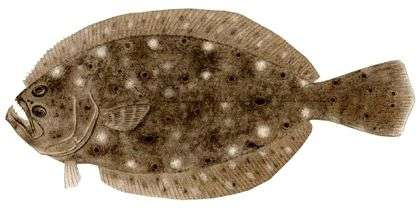
 Summer Flounder
- 4-6 hour guided inshore fishing targeting speckled trout and red drum
- Shallow water fishing experience in diverse spots including reefs and oyster beds
- Accommodates up to 4 guests with individual rods provided for all skill levels
Trip Pricing and Availabilities:
Reel in the Big One: Wanchese Inshore Fishing
Get ready to wet your lines in the rich waters of Wanchese, NC! Our 4 to 6-hour private inshore fishing trip is perfect for anglers looking to tangle with some of the Outer Banks' most prized catches. We're talking speckled trout and red drum in waters so shallow, you might think you could wade out and grab 'em yourself. But trust me, you'll want a boat for this adventure. With your own rod in hand and plenty of prime fishing spots to explore, you're in for a day of non-stop action and maybe even a tasty dinner to boot.
What to Expect on the Water
Picture this: You're gliding through crystal-clear shallows, less than 7 feet deep, with your eyes peeled for that telltale swirl of a feeding fish. Our trip is all about getting you on the fish, whether they're hanging around artificial reefs or skulking near oyster beds. We've got room for up to 4 anglers, so bring your buddies or the family. Everyone gets their own rod, so no waiting your turn here – it's all fish, all the time. And the best part? These inshore species aren't just fun to catch; they're downright delicious. So if you play your cards right, you might be grilling up your catch for dinner.
Casting Call: Techniques & Spots
We're not just randomly throwing lines in the water here. Our approach is all about finesse and knowing where the fish like to hang out. We'll be targeting those inshore artificial reefs – think underwater structure that fish absolutely love – and the oyster beds that are like all-you-can-eat buffets for our target species. Light tackle is the name of the game, so be ready for some real sport fishing. We might be tossing soft plastics, working topwater lures, or live-lining bait, depending on what the fish are in the mood for. And don't worry if you're new to this – we'll show you the ropes and have you fishing like a pro in no time.
Species You'll Want to Hook
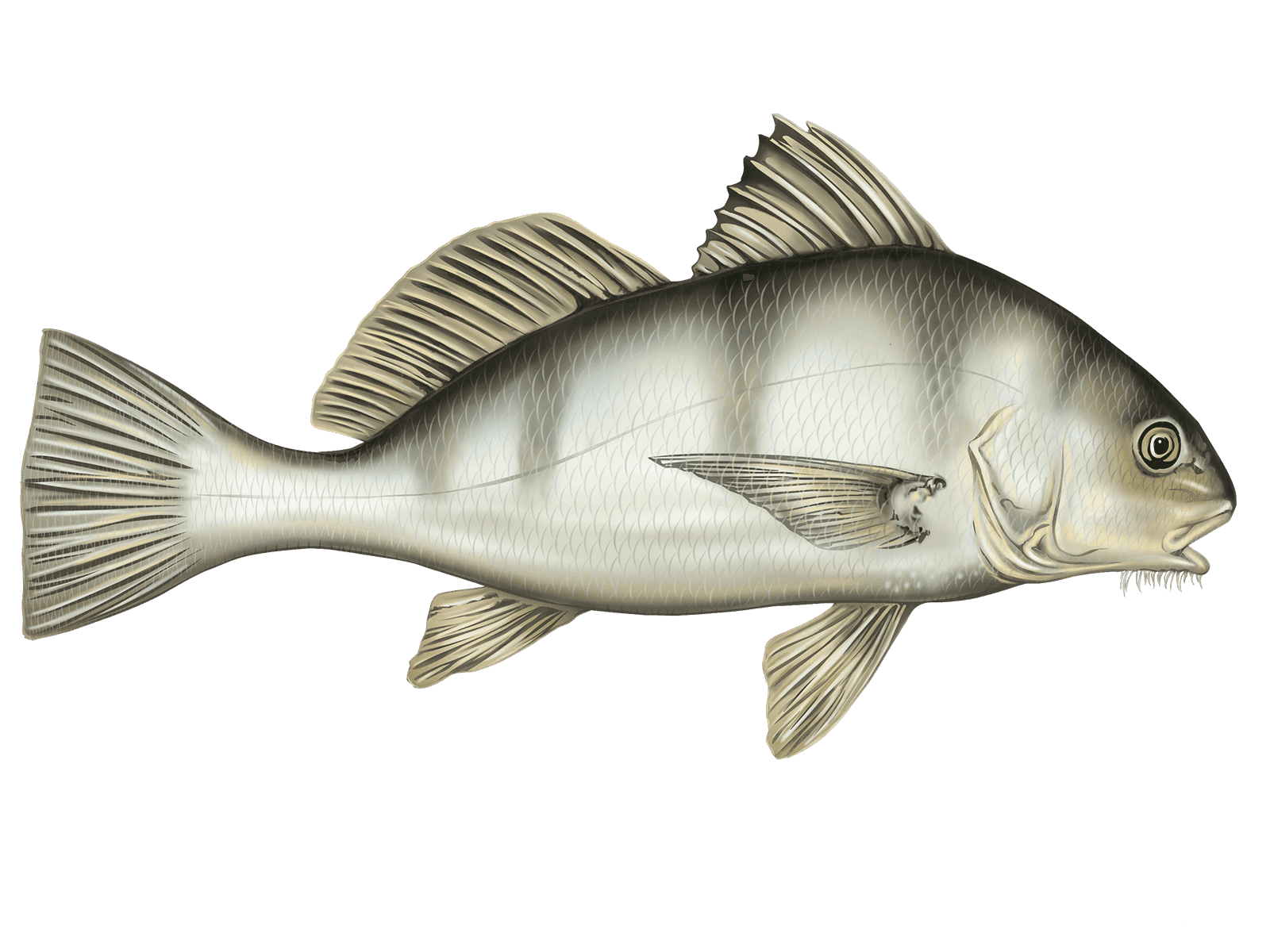
Black Drum: These bruisers are like the heavyweight champs of the inshore scene. They love to hang around structure and can grow to impressive sizes. The bigger ones put up a fight that'll test your arms and your drag. Look for them near pilings and bridges, especially in the spring and fall. What makes them special? That distinctive "croaking" sound they make – it's like they're cheering you on as you reel them in.
Summer Flounder: Also known as fluke, these flatfish are masters of camouflage. They'll be lurking on the sandy bottom, waiting to ambush their prey. Catching them is all about finesse and reading the bottom. The thrill is in the hunt – you never know when that "bottom" might suddenly come to life on your line. They're most active in the warmer months, hence the name, and they're a favorite for their delicate, sweet meat.
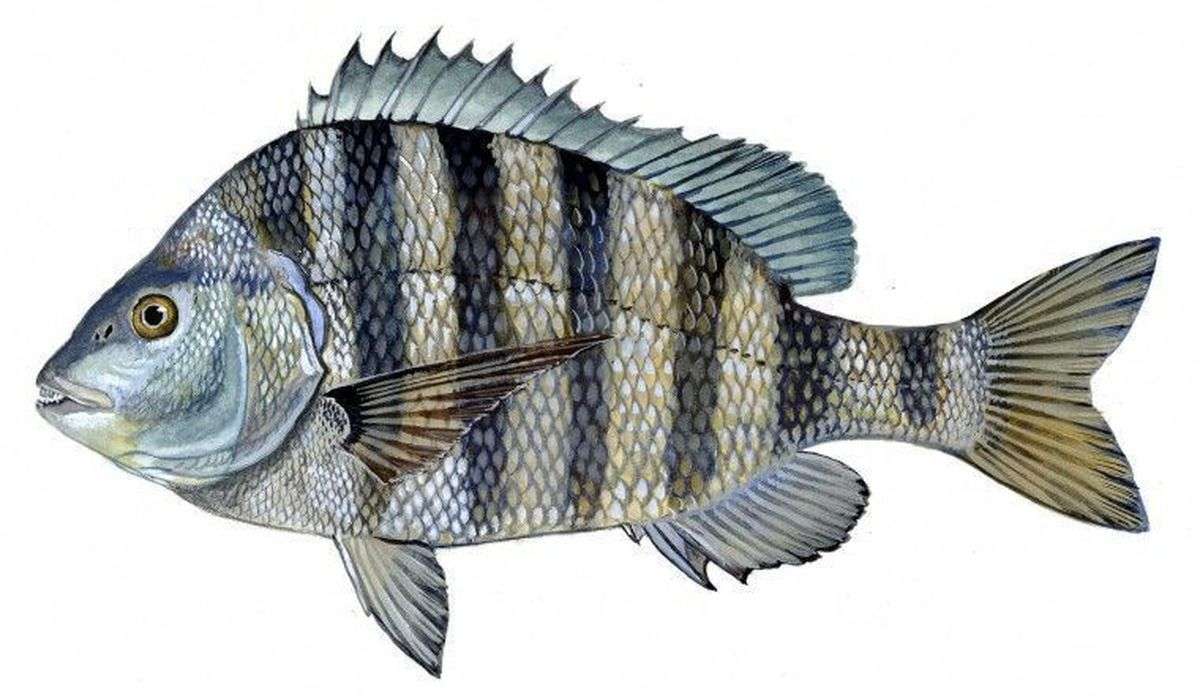
Sheepshead: With their human-like teeth and zebra-striped sides, sheepshead are one of the quirkiest-looking fish you'll catch. They're notorious bait-stealers, so hooking one takes skill and patience. You'll find them around hard structures like pier pilings and oyster beds. The challenge of catching them is matched only by how good they taste on the plate. Peak season is typically late spring through fall.
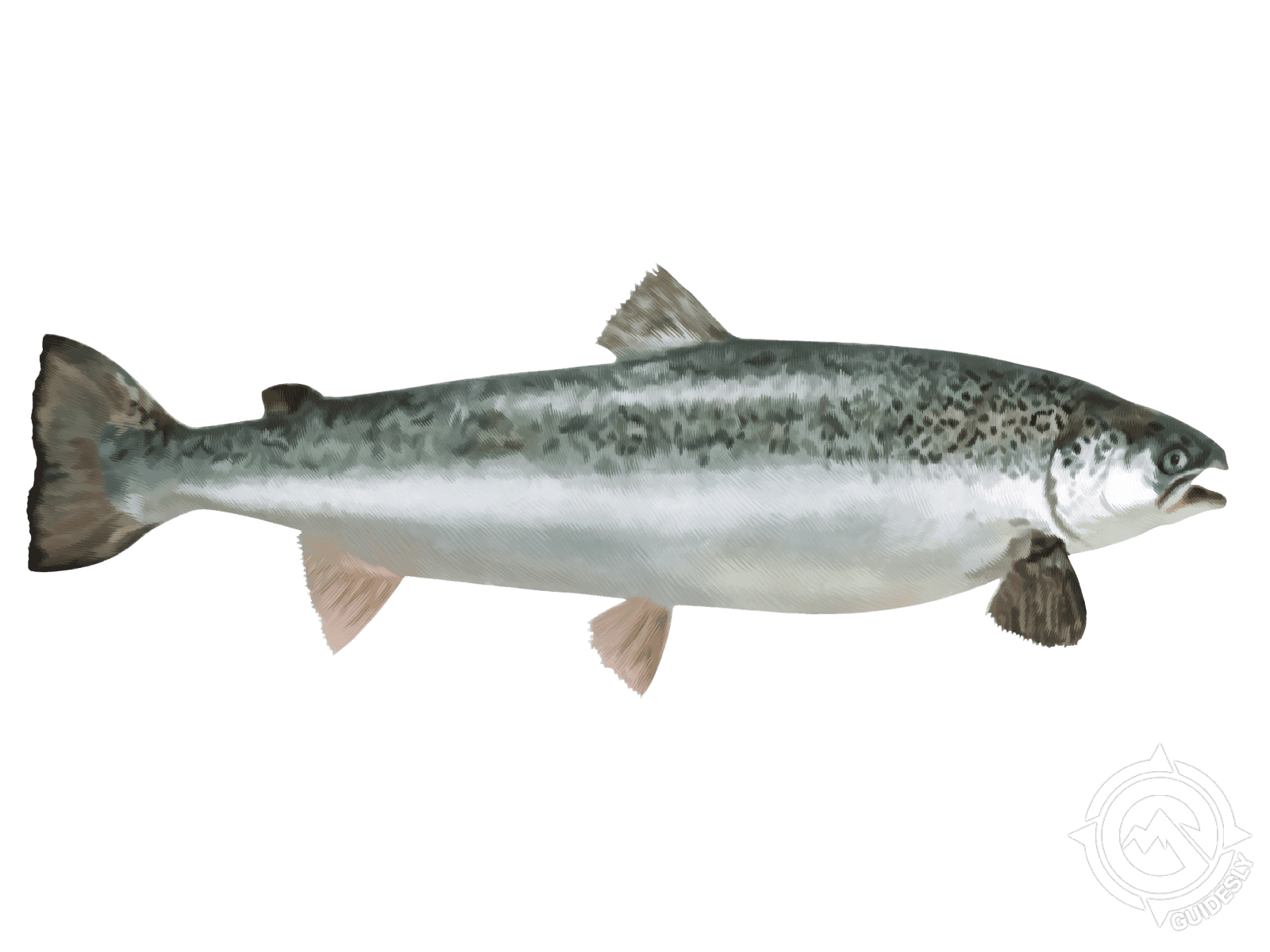
Sea Trout: Speckled trout, or specks as we call 'em, are the rockstars of inshore fishing. They're beautiful to look at and even better to catch. These guys are ambush predators, so we'll be targeting grass flats and drop-offs. The excitement comes from their aggressive strikes and acrobatic fights. They're most active in the cooler months, but you can catch them year-round if you know where to look.
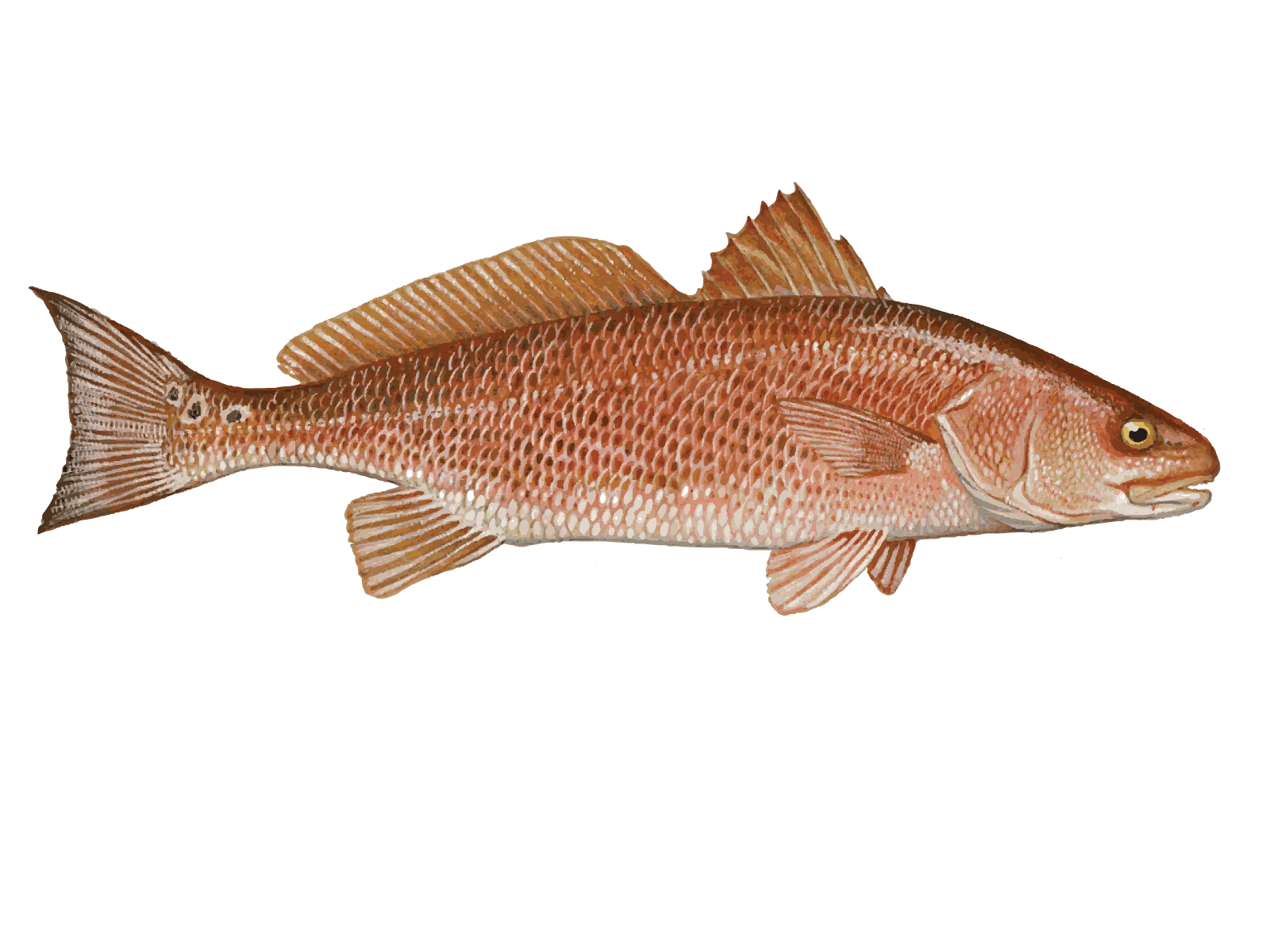
Redfish: Also known as red drum, these copper-colored beauties are the holy grail for many inshore anglers. They can be found in shallow waters, often with their tails sticking out of the water as they root for crabs – a sight that'll get any angler's heart racing. The smaller ones, often called "puppy drum," are perfect for light tackle, while the big bulls will give you the fight of your life. Fall is prime time for reds, but they're around all year.
Time to Book Your Spot
Listen, the fish are out there waiting, and we've got the know-how to put you on 'em. Whether you're a seasoned angler looking to tangle with some trophy reds or a newbie hoping to land your first speckled trout, this trip is your ticket to some serious inshore action. We've got the spots, we've got the gear, and we've got the experience to make this a fishing trip you'll be bragging about for years to come. So what are you waiting for? Grab your hat and sunscreen, and let's hit the water. Give Captain Clay a call at 252-333-2279 to check availability and lock in your date. Trust me, the only thing you'll regret is not booking sooner. See you on the water!
Learn more about the animals
Black Drum
Black Drum are hard-fighting inshore fish that'll test your skills. They usually run 5-30 pounds, but the big ones can hit 90. Look for 'em around oyster beds, pier pilings, and in brackish estuaries. Spring's prime time when they school up to spawn. These guys are bottom feeders, so use fresh crab, clams, or shrimp on a bottom rig. Their powerful jaws can crush shellfish, so make sure your hook is set good. Black Drum put up a great fight and make good eating when they're under 15 pounds. The bigger ones get tough and lose flavor. One local trick: scrape some barnacles off the pilings to chum 'em up. Listen close and you might hear 'em making croaking sounds - that's how they got the nickname "puppy drum." Just watch out for those sharp dorsal spines when you're handling 'em.
Redfish
Redfish, or red drum, are one of our most popular inshore targets. They typically run 20-30 inches in the shallows, but can get much bigger offshore. Look for 'em tailing in water as shallow as 1-4 feet, especially around oyster bars and grass flats. Fall is prime time when they're schooling up. Reds are known for their powerful runs and can strip line like crazy. They're also great eating when slot-sized. Try live or cut bait on the bottom, or toss artificial lures like gold spoons or soft plastics. One local trick: look for pushing water or "nervous" bait - that often means reds are feeding nearby. Watch for that characteristic black spot near the tail, which helps 'em fool predators. Landing a big bull red is always a thrill, but even the smaller ones put up a great fight.
Sea Trout
Sea Trout, or specks, are a favorite inshore target here. They typically run 14-24 inches and 1-5 pounds. You'll find 'em in grass flats, around oyster bars, and in deeper channels when it's cold. Fall and spring are prime seasons when they're feeding heavily. Trout are known for their soft mouths, so use a light touch when setting the hook. They put up a good fight and taste great on the table. Try live shrimp under a popping cork, or toss soft plastics on jigheads. One local tip: look for slicks on the water - that's often a sign of feeding trout. At night, use topwater lures for explosive strikes. These fish school up, so when you catch one, there's usually more nearby. Just remember to handle 'em gently if you're releasing, as they're pretty delicate.
Sheepshead
Sheepshead are one of the oddest-looking fish you'll catch around here, with those human-like teeth and black stripes. They usually run 1-8 pounds but can get up to 20. You'll find 'em around any structure with barnacles - docks, bridges, jetties. Spring's the best time when they school up to spawn. Sheepshead are notorious bait stealers, so you gotta be quick on the hook set. Use fiddler crabs, sand fleas, or barnacles on a small strong hook. Get your bait right up against the pilings where they're feeding. These fish put up a great fight on light tackle and make excellent table fare. One local trick: scrape some barnacles off the structure to get 'em fired up. Just watch those teeth when you're unhooking 'em - they can do some damage!
Summer Flounder
Summer Flounder, or fluke, are masters of camouflage in our shallow waters. These flatfish typically run 15-20 inches but can get up to 26 pounds. You'll find 'em on sandy or muddy bottoms near inlets, reefs, and channel edges. They're ambush predators, so they like to hide and wait for prey. Fall is prime time when they're fattening up before winter. Flounder are prized for their fight and tasty white meat. To catch 'em, use a fish finder rig with live minnows or strip baits. Drift slowly and keep your bait right on the bottom. When you feel a bite, don't set the hook right away - give 'em time to swallow it. A local trick is to use a bucktail jig tipped with a strip of squid for some extra scent. These "chameleons of the sea" can be tricky, but landing a big doormat is always a thrill.
About the Center Console Boats
%2F%2Fusers%2F67ce1f6e-b997-4f61-bf78-83ffafa951de%2Fvehicle_picture%2Fimage64.png&w=1920&q=75)
Vehicle Guest Capacity: 4
Manufacturer Name: Yamaha
Maximum Cruising Speed: 40
Number of Engines: 1
Horsepower per Engine: 150
Hop aboard our comfortable fishing boat for a laid-back inshore adventure in Wanchese, NC. We'll cruise through shallow waters under 7 feet deep, targeting speckled trout and red drum - two tasty local favorites. With your own rod in hand, you'll get to experience the satisfaction of reeling in your catch independently. We know all the prime spots, from artificial reefs to oyster beds teeming with fish. This 4-6 hour trip is perfect for anglers of all skill levels looking to snag some delicious dinner and make some great memories on the water. Our experienced captain will guide you to the hot spots and share local fishing knowledge along the way. Don't forget to bring a cooler for your fresh catch! Give Captain Clay a call to check availability and book your spot today.