%2Ffit-in%2F250x250%2Fusers%2F67ce1f6e-b997-4f61-bf78-83ffafa951de%2Fimages%2Fd9ac2715-e697-452d-992c-57efd34fc8a8.jpg&w=1920&q=100)
/users/67ce1f6e-b997-4f61-bf78-83ffafa951de/ratecard/unnamed-3.jpg)
%2F300x300%2Fusers%2F67ce1f6e-b997-4f61-bf78-83ffafa951de%2Fratecard%2Funnamed-3.jpg&w=256&q=75)
%2F300x300%2Fusers%2F67ce1f6e-b997-4f61-bf78-83ffafa951de%2Fimages%2Flone-angler-wanchese-fishing-2562.jpg&w=256&q=75)
%2F300x300%2Fusers%2F67ce1f6e-b997-4f61-bf78-83ffafa951de%2Fimages%2Fredfish-wanchese-angler-catch-2517.jpg&w=256&q=75)
%2F300x300%2Fusers%2F67ce1f6e-b997-4f61-bf78-83ffafa951de%2Fimages%2Fwanchese-redfish-catch-2528.jpg&w=256&q=75)
%2F300x300%2Fusers%2F67ce1f6e-b997-4f61-bf78-83ffafa951de%2Fimages%2Ffishing-adventure-north-carolina-2461.jpg&w=256&q=75)
%2F300x300%2Fusers%2F67ce1f6e-b997-4f61-bf78-83ffafa951de%2Fimages%2Ffishing-fun-north-carolina-2512.jpg&w=256&q=75)
%2F300x300%2Fusers%2F67ce1f6e-b997-4f61-bf78-83ffafa951de%2Fimages%2Ffishing-fun-wanchese-2484.jpg&w=256&q=75)
%2F300x300%2Fusers%2F67ce1f6e-b997-4f61-bf78-83ffafa951de%2Fimages%2Ffishing-adventure-wanchese-2556.jpg&w=256&q=75)
%2F300x300%2Fusers%2F67ce1f6e-b997-4f61-bf78-83ffafa951de%2Fimages%2Fwanchese-fishing-adventure-2967.jpg&w=256&q=75)
Premium Multi-Day Float Blind Hunting Package
 Outer Banks
What you will be catching:
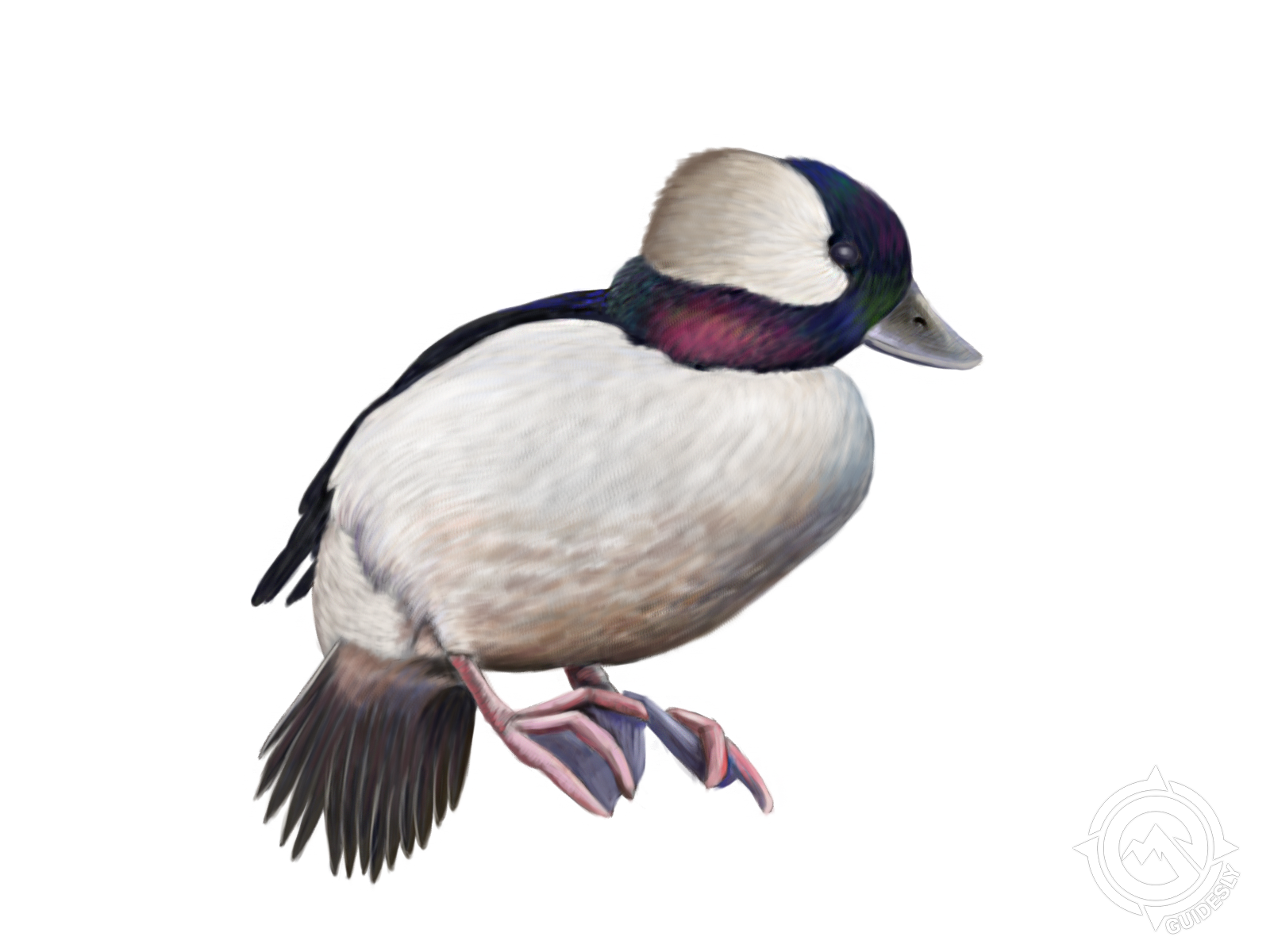 Bufflehead
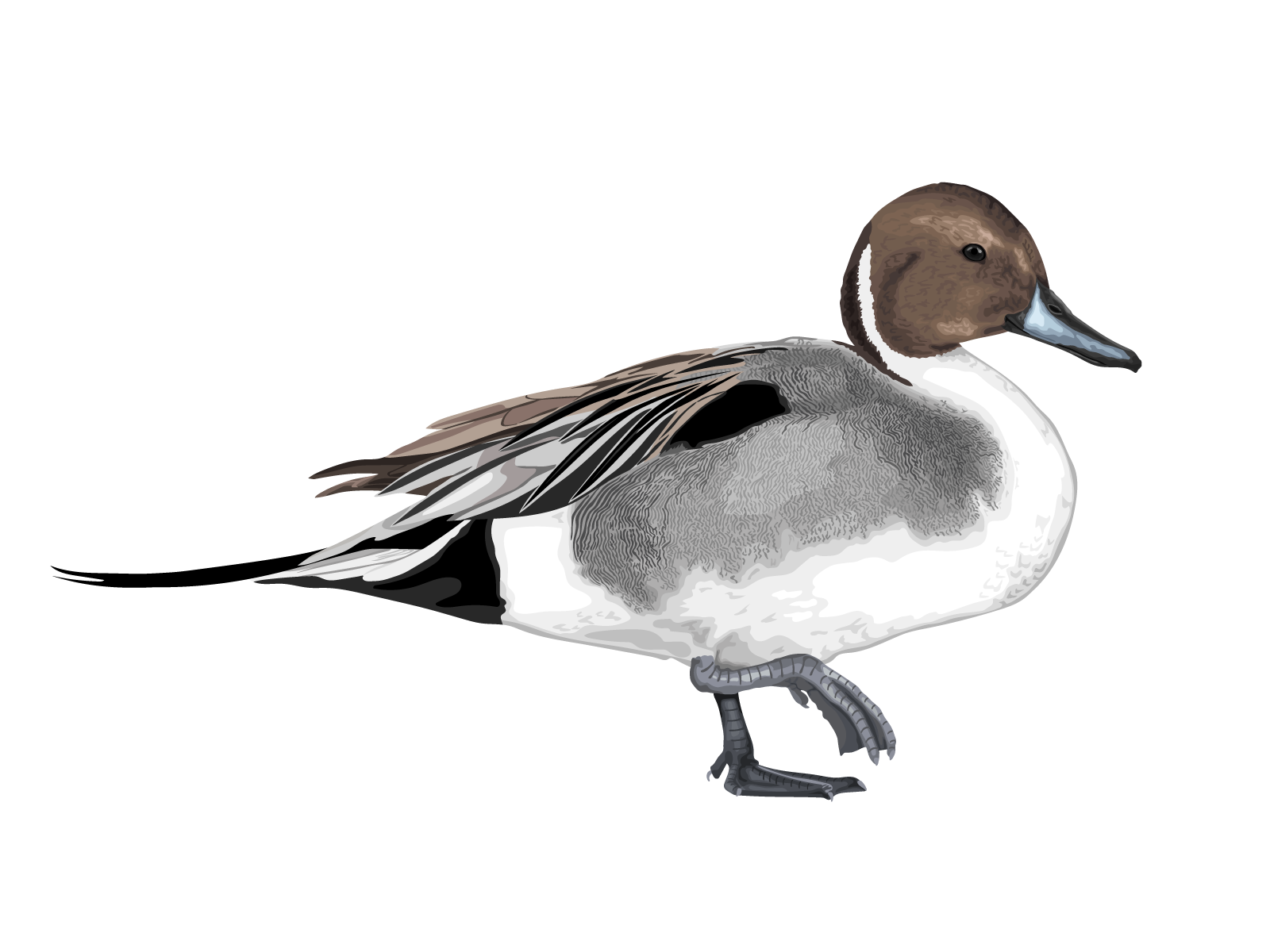 Northern Pintail
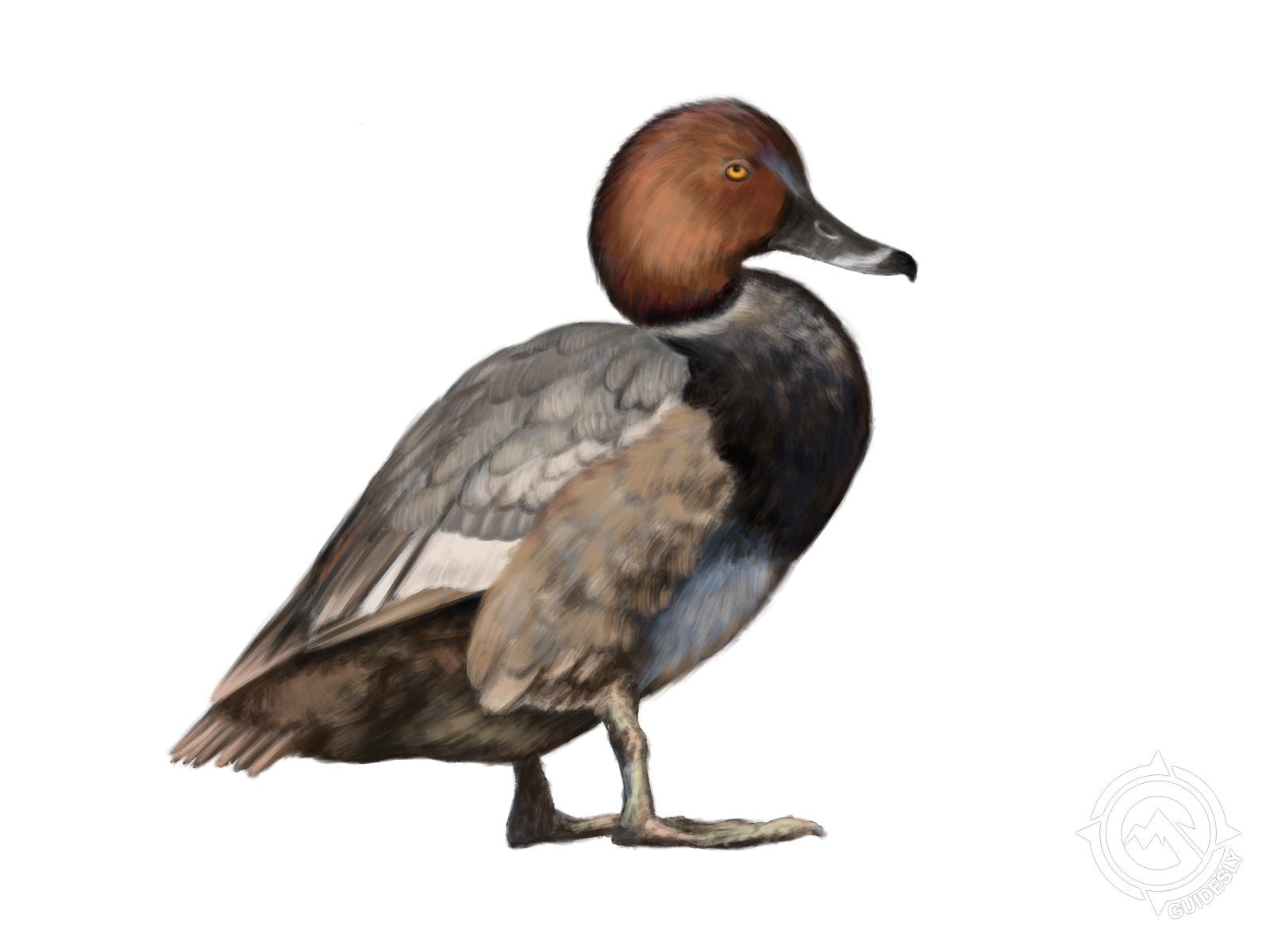 Redhead
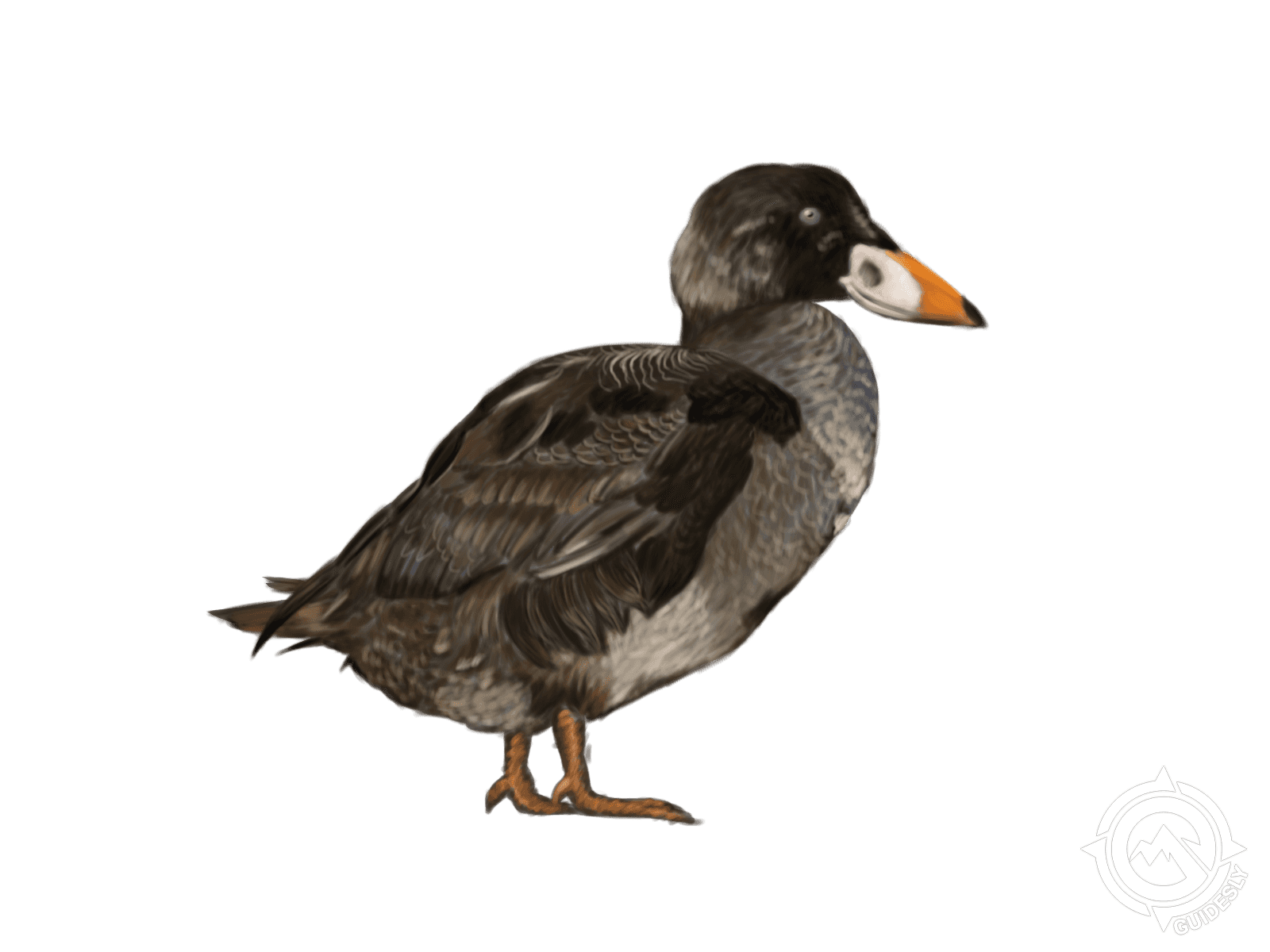
 Surf Scoter
- Multi-day float blind experience for 3-4 hunters in Wanchese, NC
- Target diverse waterfowl including Bufflehead, Redheads, and Surf Scoters
- $500 package includes dawn-to-night hunting with experienced guides
Trip Pricing and Availabilities:
Hunt Ducks Like a Pro in Wanchese, NC
Ready for a duck hunting adventure that'll knock your waders off? Our multi-day float blind package in Wanchese, NC is the real deal. For just $500, you and your buddies can chase some of the best waterfowl action on the East Coast. We're talking prime hunting from dawn to dusk, with a comfy float blind as your home base. Whether you're a seasoned pro or a first-timer, this trip's got everything you need for an epic hunt.
Trip Overview
Picture this: You're tucked into a state-of-the-art float blind, surrounded by the pristine waters of the Outer Banks. The sun's just peeking over the horizon, and the sky's alive with the sound of wings. That's what you're in for with our Wanchese multi-day hunt. We kick off at 5 AM sharp and keep the action going until noon the next day. That's over 30 hours of prime hunting time! Bring 2 or 3 of your hunting buddies - we can accommodate up to 4 hunters total. And if you've got a bigger crew? No sweat. Just give us a ring, and we'll sort you out.
Inside the Hunt
Our float blinds are the secret sauce to this hunt. These babies are mobile, comfortable, and practically invisible to incoming birds. We'll set up in prime spots where the ducks are flying, giving you the best shot at a diverse bag. You'll be targeting a mix of puddle ducks and divers, including Buffleheads, Redheads, Bluebills, and Surf Scoters. And if lady luck's on our side, we might even get a crack at some Pintails. Pack your calls, bring your favorite shotgun, and get ready for some world-class waterfowling.
Tracking Tips & Terrain
Wanchese's waters are a waterfowler's paradise. We'll be hunting in the shallow sounds and marshes that make up this part of the Outer Banks. The terrain here is perfect for our float blinds - shallow enough to pole around easily, but with enough depth to keep us mobile. Keep your eyes peeled for diving ducks working the deeper channels and puddle ducks in the shallows. And don't forget to scan the horizon - we often spot migrating flocks coming in from miles away. Pro tip: Bring a good pair of neoprene waders. The water can be chilly, especially in the early morning hours.
Target Game Breakdown
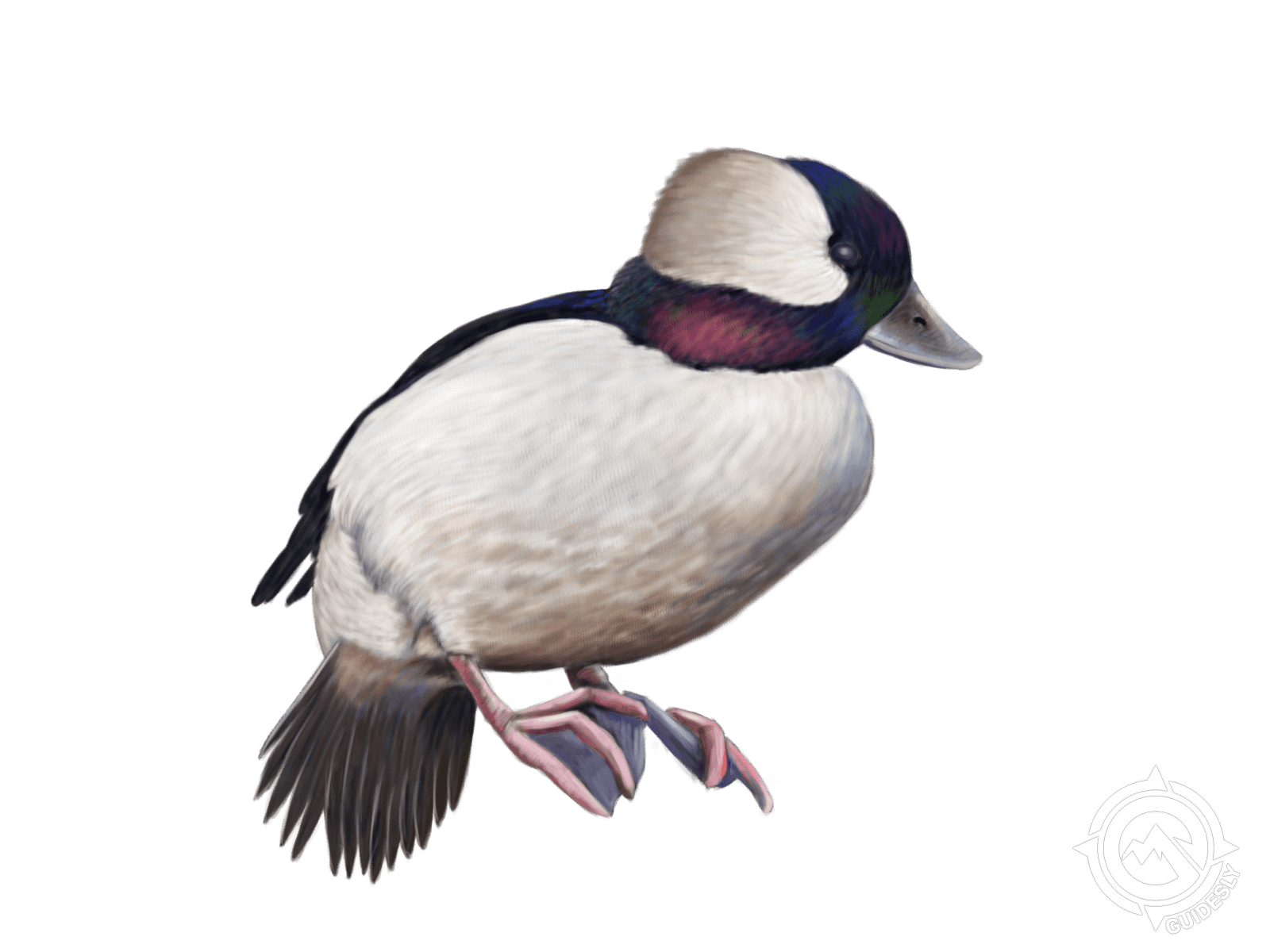
Bufflehead Ducks are the speedy little acrobats of the duck world. These pint-sized divers are a blast to hunt, zipping around at high speeds and diving at the last second. They're most active in the early morning and late afternoon, so keep your eyes peeled during these prime times. Buffleheads are known for their tasty meat, making them a favorite among hunters who like to eat what they shoot.
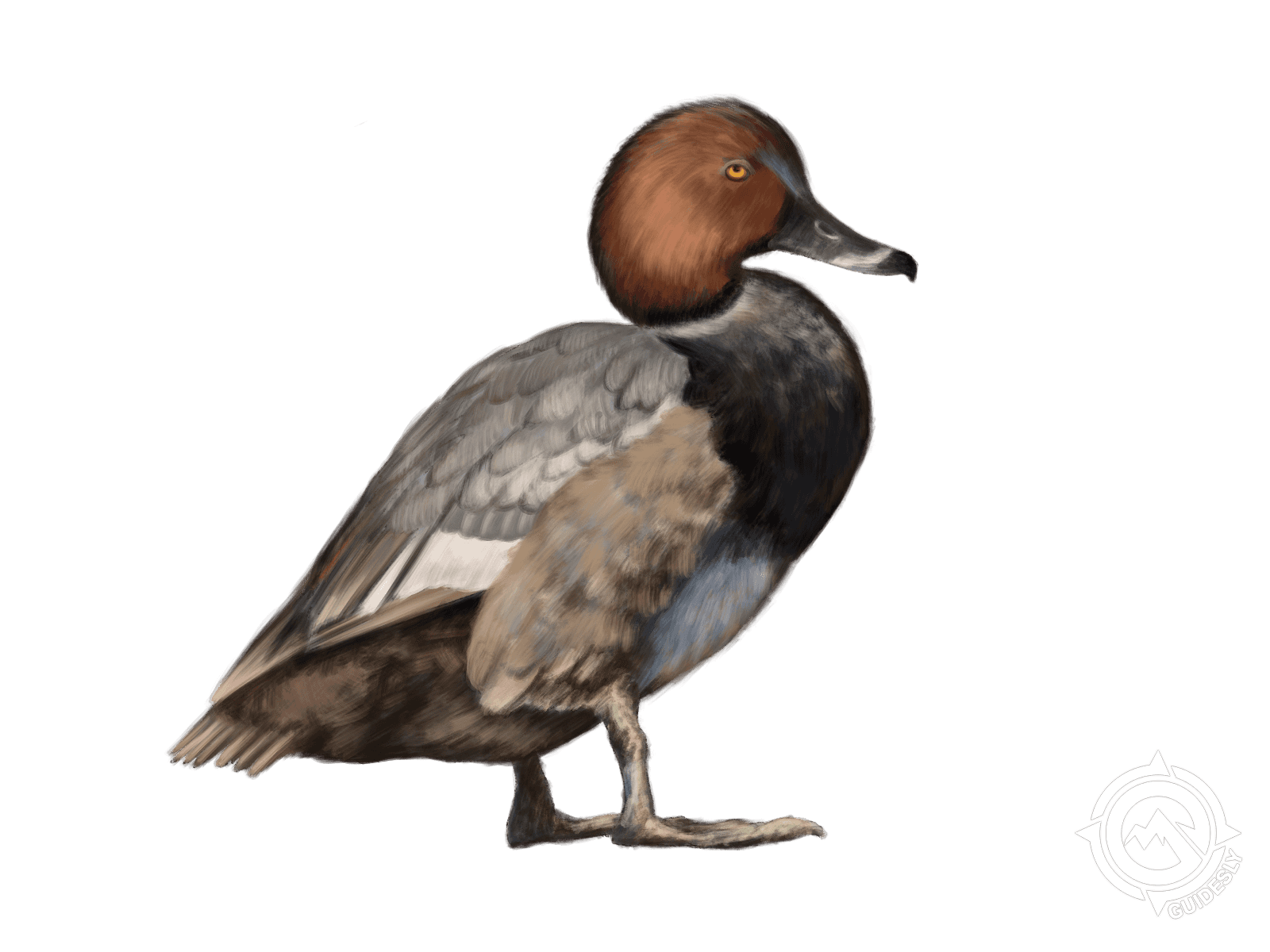
Redheads are the classic diving ducks of the Atlantic Flyway. These medium-sized ducks are known for their distinctive red heads (no surprise there) and their tendency to form large, noisy flocks. They're most common in Wanchese during the mid to late season, usually arriving in November and sticking around through January. Redheads are strong flyers and often come in fast and low over the water, so be ready for some quick shooting.
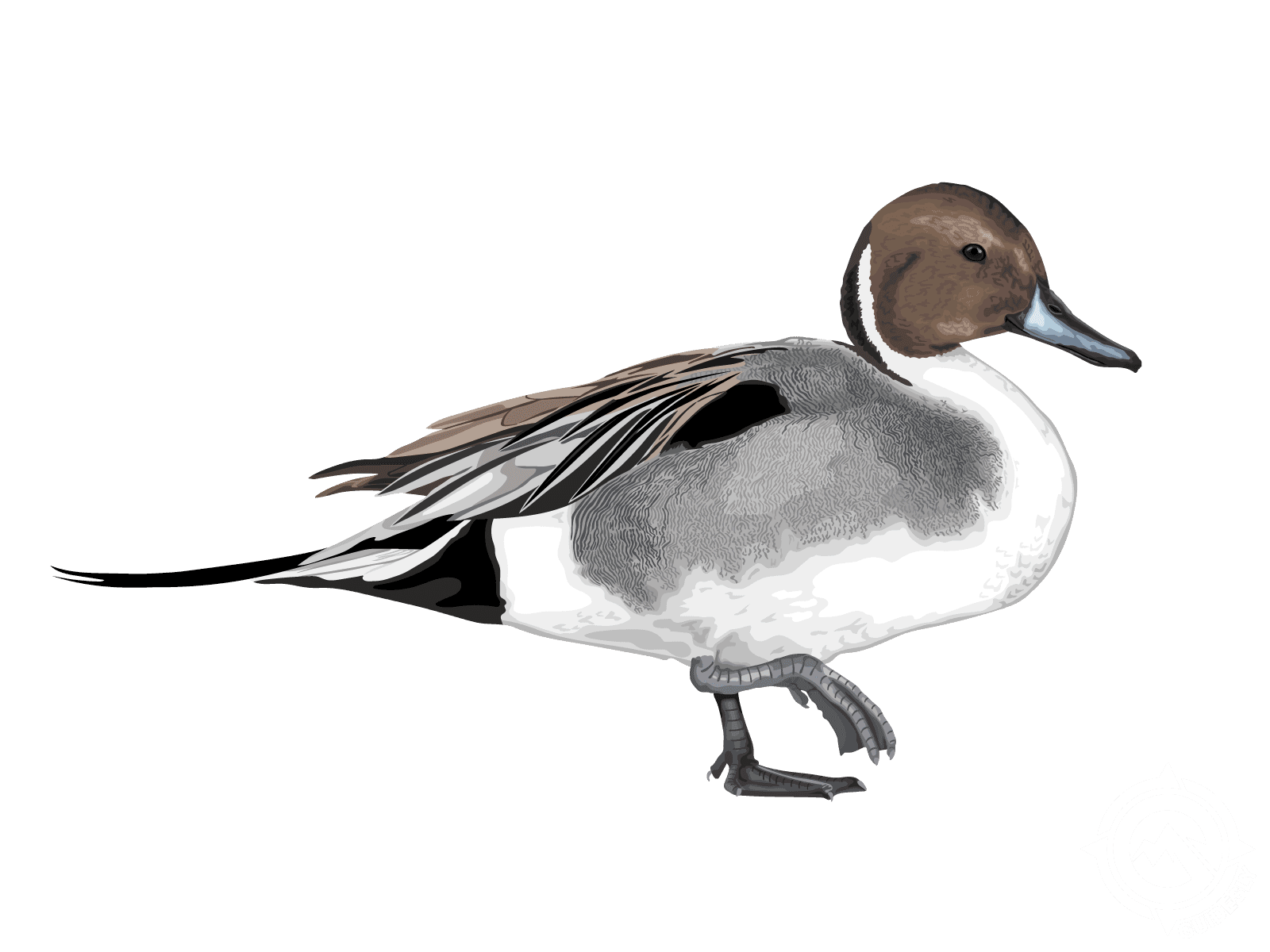
Northern Pintails are the supermodels of the duck world - sleek, elegant, and always a treat to see. These puddle ducks are prized for their long, pointed tails and their challenging hunting. Pintails are usually found in shallower waters, often mixing with other puddle ducks like mallards and widgeon. They're most active at dawn and dusk, so those are your best bet for bagging one of these beauties.
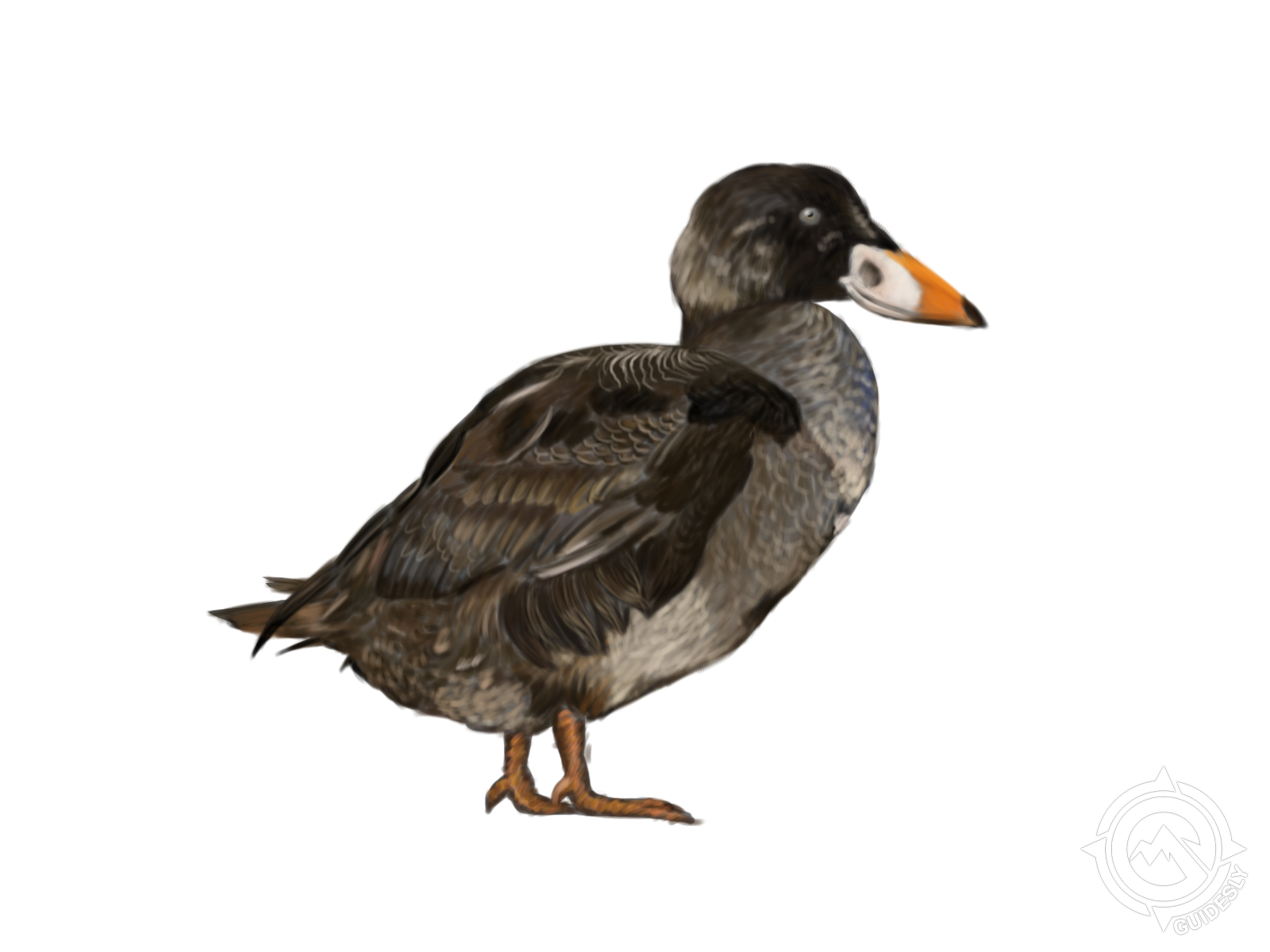
Surf Scoters, often called "skunk-head coots" by old-timers, are the tough guys of the sea duck world. These large, stocky ducks are built for diving in rough coastal waters. They're not the easiest to bring down, often requiring heavier loads, but man, are they satisfying to hunt. Scoters are typically found in deeper waters, so we'll often target them when we're set up near channels or open water areas.
Book Your Next Tag
Listen up, duck hunters - this Wanchese multi-day float blind package is the real McCoy. For $500, you're getting over 30 hours of prime hunting time in one of the best waterfowl spots on the East Coast. We're talking comfort, mobility, and a shot at a diverse bag of ducks that'll make your hunting buddies green with envy. Don't let this chance fly by - give Captain Clay a shout at 252-333-2279 and lock in your dates. Trust me, your future self will thank you when you're knee-deep in one of the best duck hunts of your life. Let's get after those birds!
Learn more about the animals
Bufflehead
Buffleheads are small, compact diving ducks with oversized heads – hence their nickname "butterball." Don't let their size fool you; these little speedsters are a blast to hunt. They're usually found in small flocks on coastal bays, estuaries, and large lakes. Here in Wanchese, we see good numbers of Buffleheads from late fall through early spring. They're fast flyers with erratic flight patterns, making them a challenging target that'll keep you on your toes. Hunters enjoy pursuing Buffleheads for their sporty nature and the satisfaction of a clean shot on such a small, swift target. While not known for their table quality, they can be tasty if prepared right. Best time to target them is usually from mid-November through January. When hunting Buffleheads, remember they prefer deeper water than many other ducks. A local tip: set your decoys in small groups of 6-12, scattered loosely. This mimics their natural behavior and can be more effective than a tight spread.
Northern Pintail
Northern Pintails, or "sprigs" as we call 'em, are sleek, elegant ducks known for their long necks and pointed tails. These birds prefer shallow wetlands and flooded fields, often seen dabbling for food in just a few inches of water. Around Wanchese, we typically spot Pintails from October through March, with peak numbers in late fall. Hunters love 'em for their graceful flight, challenging shooting, and excellent table fare. Pintails are wary birds with keen eyesight, making them a true test of a hunter's skills. They're often the first to arrive at feeding areas in the morning and the last to leave in the evening. If you're after Pintails, try setting up near the edge of open water areas adjacent to grain fields or marshes. A local trick: use a pintail whistle to mimic their distinct, soft whistle call. It can be just the thing to turn a flock your way when they're passing by out of range.
Redhead
Redheads are medium-sized diving ducks, known for the male's striking rusty-red head and bright blue bill. They're typically found in large, open bodies of water, preferring areas with abundant aquatic vegetation. Here in Wanchese, we see them in good numbers during the winter months, often mixed in with other diving ducks. Redheads are fast flyers and travel in tight groups, which makes for challenging and exciting shooting. Hunters appreciate them for their speed and the quality of their meat, which is considered some of the best among waterfowl. Peak season for Redheads is usually from mid-December through January. When hunting Redheads, patience is key. They often circle decoy spreads multiple times before committing. A tip from the locals: try using a mix of Redhead and Bluebill decoys to create a more realistic spread. This can be especially effective in areas where these species naturally mingle.
Surf Scoter
Surf Scoters are hefty sea ducks, known for their distinctive bulbous bills. These birds prefer coastal waters and are often found diving for mollusks and crustaceans in shallow areas. During the winter months, they're a common sight off the Outer Banks, gathering in large rafts on the open water. Hunters prize Surf Scoters for their challenging flight patterns and the thrill of hunting over the ocean. They're fast flyers and can be tricky to hit, making for an exciting hunt. Best time to target them is usually from November through January when they're most abundant in our area. If you're after Surf Scoters, keep an eye out for their low, direct flight just above the water's surface. A local trick: set your decoys in a J-pattern with the hook facing into the wind. This setup mimics their natural grouping and can be particularly effective in drawing them in.