Trophy Bluefish Landed in Wanchese NC Waters
Bluefish Fishing in Wanchese - What to Expect

Fishing Charter by Captain Clay McPherson in June

- Cast And Blast With The Top Outer Banks Fishing


Summary
This fishing charter in Wanchese, NC showcases a successful bluefish catch on a Wednesday in June. Captain Clay McPherson of Above C Level Adventures guides anglers through the dynamic waters of the Outer Banks, where bluefish are aggressive hunters and highly prized targets for charter fishing.
Fishing Charter with Captain Clay McPherson - Rates & Booking
Captain Clay McPherson of Above C Level Adventures on Wednesday, June 11 offers fishing charters targeting bluefish in the Wanchese waters of the Outer Banks. This fishing charter provides access to prime bluefish habitat where strong currents and structure create ideal conditions for these aggressive gamefish. For booking your charter and current rate information, contact Above C Level Adventures directly or view rates online to secure your spot on the water.
Highlights of Your Bluefish Charter
Bluefish are among the most exciting species to pursue on the Outer Banks. These powerful predators fight hard and test your skills with their speed and strength. The Wanchese waters offer excellent conditions for bluefish during summer months, when these fish move inshore and become highly active. Anglers can expect fast-paced action and the opportunity to experience one of the Atlantic coast's most thrilling fishing experiences.
The Outer Banks location provides diverse structure including nearshore reefs, drop-offs, and channel edges where bluefish congregate. Captain Clay McPherson's local knowledge guides anglers to productive fishing zones and teaches effective techniques for these aggressive hunters. Whether you're experienced or new to bluefish fishing, the charter experience delivers memorable action and the chance to land a quality catch.
Local Species Insights: Bluefish
Bluefish are voracious predators known for their aggressive feeding behavior and powerful runs. Found throughout Atlantic coastal waters, they thrive in areas with strong current, structure, and baitfish concentrations. Bluefish are migratory species that move seasonally along the coast, with summer months bringing them into the nearshore waters around the Outer Banks.
These fish are built for speed and power. Their streamlined bodies, sharp teeth, and relentless hunting instincts make them both formidable opponents and exciting targets for anglers. Bluefish typically hunt in schools, creating feeding frenzies that attract birds and other predators. When hooked, they display their characteristic head-shaking runs and powerful take-downs that make them sought-after gamefish.
The Wanchese fishing grounds provide excellent bluefish habitat due to the convergence of Atlantic waters and barrier island structure. Local currents bring nutrient-rich water that supports abundant baitfish populations, which in turn attract bluefish from offshore areas. Understanding these environmental factors helps explain why the Outer Banks waters remain consistent producers during bluefish season. Captain Clay McPherson's experience reading water conditions and fish behavior significantly increases your chances of connecting with these dynamic predators.
Bluefish respond well to live bait presentations and artificial lures that mimic their natural prey. The fight characteristics of bluefish - their powerful strikes and head-shaking runs - make every catch memorable. Landing a bluefish on a fishing charter requires focus, technique, and the ability to maintain tension on the line throughout the battle.
Fishing & Hunting in Outer Banks: Bluefish
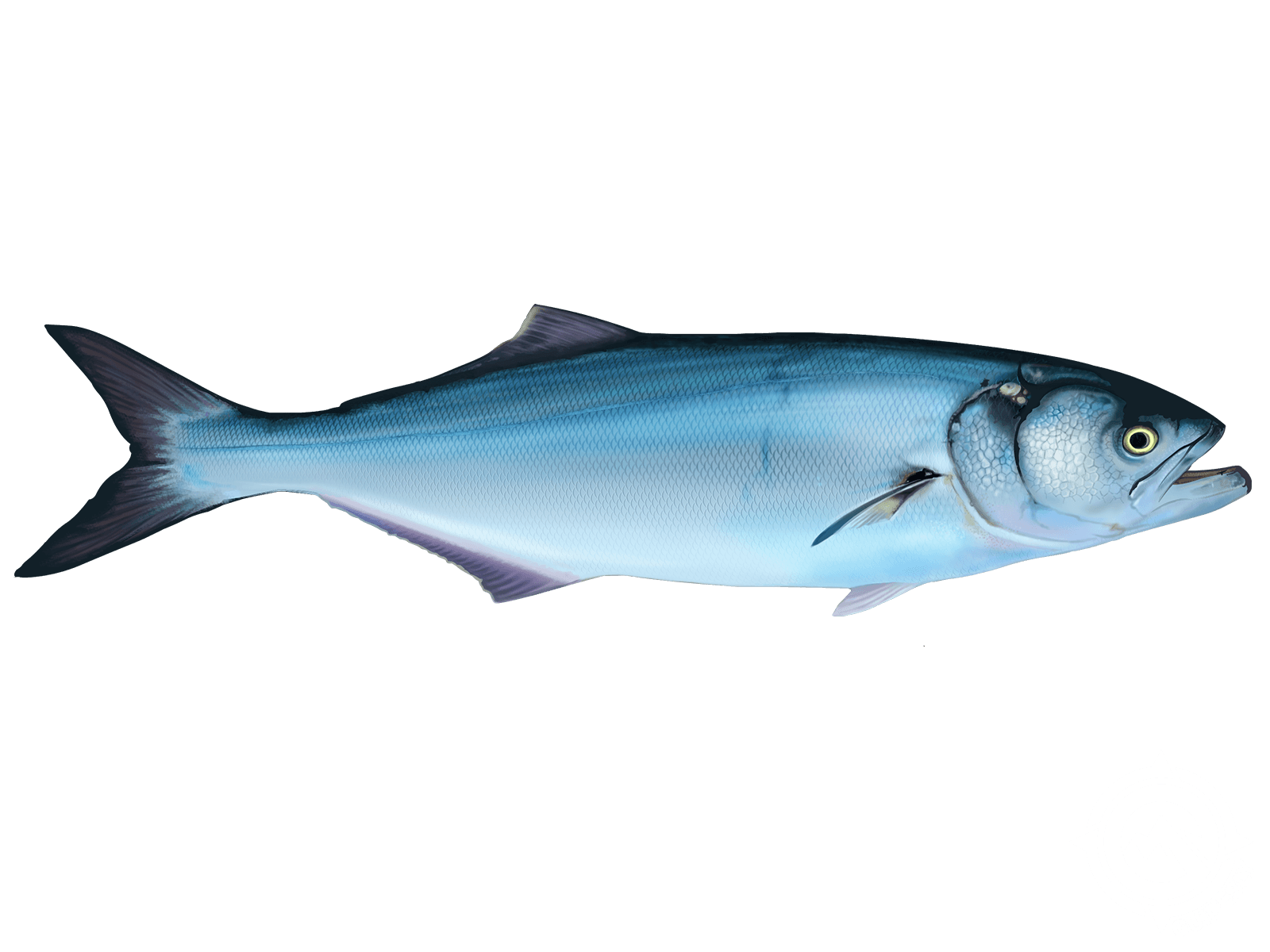
Bluefish Overview
The Bluefish (Pomatomus saltatrix) is one of the most thrilling game fish you'll encounter in nearshore and onshore Atlantic waters. Belonging to the family Pomatomidae and order Perciformes, this aggressive predator is the sole surviving member of its family—a distinction that makes it both ecologically important and historically fascinating. What makes the Bluefish truly special is its combination of explosive feeding behavior, striking blue-green coloring, and reputation as a spirited fighter on the line. Known locally in different regions as Shad (South Africa) or Tailor (Australia and New Zealand), this migratory species brings excitement to summer fishing from Cape Cod to the Carolinas and beyond. Anglers and casual observers alike are captivated by the famous "Bluefish Blitz," where schools churn shallow waters like washing machines, attacking baitfish with reckless abandon.
Bluefish Habitat and Distribution
Bluefish thrive in subtropical and temperate waters across the globe, with major populations found throughout the Atlantic Ocean from Nova Scotia to Argentina, and from Spain to southern Africa. These marine pelagic fish are most commonly found along continental shelves and rarely venture to the north side of the Pacific Ocean. In North America, they inhabit a wide range of environments including brackish estuaries, tidal rivers, rock headlands, sandy beaches, and areas just above the continental shelf. During summer months, Bluefish become seasonal visitors to cooler northern waters, arriving around mid-June and remaining through mid-October before migrating to warmer wintering grounds from North Carolina south to Florida's tip. They're particularly abundant in bays, sandy harbors, and tidal river systems where forage fish concentrate. The species shows a strong preference for areas with active baitfish populations and readily moves between shallow coastal waters and deeper offshore zones depending on seasonal availability of prey.
Bluefish Size and Weight
Bluefish display considerable size variation depending on age and feeding conditions. Most fish in the general population reach weights around 15–20 pounds, though they commonly grow to 15 inches minimum and can exceed 51 inches in length when fully mature. In terms of weight, typical catches range from 3 to 15 pounds for recreational anglers, though exceptional specimens have been documented at 40 pounds or more. Juvenile Bluefish, affectionately called "baby blues" or "snappers," appear in late summer and offer excellent opportunities for young and inexperienced anglers to practice their skills. The larger fish, particularly those exceeding 10 pounds, develop stronger, more assertive flavors compared to their smaller counterparts, which possess mild, flaky meat prized by culinary enthusiasts.
Bluefish Diet and Behavior
Bluefish earned their reputation as voracious predators through relentless feeding habits and an impressive arsenal of flat, triangular teeth sharp enough to inflict serious bites. These aggressive hunters possess a complex diet featuring sardine-like fish, Menhaden, Weakfish, Grunt, Anchovy, Squid, and Shrimp. Their fast swimming speed allows them to chase down schools of forage fish, and they're known for entering feeding frenzies where they continue attacking prey long after satisfying their nutritional needs—a behavioral trait that makes them so appealing to anglers. Interestingly, Bluefish exhibit cannibalistic tendencies, sometimes consuming their own young. Despite their fearsome hunting prowess, adult Bluefish serve as food for larger predators including Dolphins, Billfish, Sharks, and Tuna. The species can live up to 9 years in the wild, providing a multi-generational presence in coastal ecosystems. Their aggressive nature means careful handling is essential; their powerful jaws and sharp teeth can deliver painful wounds to unsuspecting anglers.
Bluefish Spawning and Seasonal Activity
Bluefish exhibit strong seasonal migration patterns that define their presence in coastal waters throughout the year. In northern regions like Cape Cod and the broader Atlantic Northeast, these fish arrive as seasonal visitors around mid-June and establish themselves through mid-October when water temperatures and baitfish availability peak. The fall migration triggers a notable fishing phenomenon as juvenile "snappers" congregate in sandy harbors, bays, and tidal rivers before departing for southern waters. Winter months find the majority of the population in warmer Atlantic waters stretching from North Carolina through Florida's southern tip. This predictable seasonal cycle has shaped commercial and recreational fisheries management strategies, with harvest regulations and bag limits designed around their migratory movements. Spring returns bring renewed excitement to northeastern anglers as water temperatures warm and migrating schools re-enter traditional summer grounds, signaling the beginning of another productive fishing season.
Bluefish Techniques for Observation and Capture
Method 1: Live and Cut Bait Fishing
The most effective approach for targeting Bluefish involves using oily baitfish like eels, which trigger aggressive strikes, though nearly any baitfish species will work. Cut bait shaped into small lure-sized chunks proves particularly productive, allowing you to present multiple offerings in areas with known Bluefish activity. Fish from tidal rivers, bays, and sandy harbors during summer months when water temperatures are optimal. Use only circle hooks per regulations—this equipment choice reduces injury to released fish while improving your hook-up rate. Cast into areas where baitfish schools congregate, particularly near structure and during tidal movements that concentrate prey.
Method 2: Artificial Lures and Flies
Bluefish eagerly strike artificial lures and fly patterns that mimic their natural prey. Recreational regulations permit artificial lures with a maximum of two treble hooks, giving you flexibility in your presentation. Topwater plugs, metal spoons, and shad-pattern soft plastics all produce strikes during active feeding periods. Cast into the "Bluefish Blitz"—that spectacular phenomenon where schools churn shallow water while attacking baitfish—and work your lures with aggressive, erratic retrieves that trigger competitive feeding responses.
Method 3: Commercial and Guided Techniques
Professional fisheries employ trawls, gillnets, and hook-and-line methods in commercial operations requiring proper permits. Around Cape Cod and other prime northeastern locations, charter boats and guided services specialize in locating schools and positioning anglers for consistent action. Recreational anglers can keep up to three fish per day with no minimum size requirement, making this an accessible species for both novices and experienced fishermen.
Bluefish Culinary and Utilization Notes
When properly prepared, Bluefish offers mild, flaky meat that ranks as a genuine culinary treat for those who know how to handle it. Smaller fish (under 10 pounds) provide the most delicate flavor, while larger specimens develop more pronounced, oily characteristics that some find less appealing. Despite being rich in omega-3 fatty acids beneficial for heart health, health authorities recommend that children and adult women limit consumption due to the species' significant mercury content. The fish's oily nature makes it ideal for smoking, grilling, and baking—preparation methods that complement rather than mask its natural flavors. Commercial and recreational fisheries employ strict management through bag limits and annual quotas to ensure sustainable harvest and prevent overfishing. When considering Bluefish for the dinner table, source smaller specimens and enjoy them as an occasional rather than regular dietary staple.
Bluefish Frequently Asked Questions
Q: What is the best bait for catching Bluefish?
A: Oily fish like eels are exceptionally effective, but almost any baitfish works well. Cut bait shaped into small lure-sized chunks provides another excellent option. The key is matching bait size to your target fish and presenting it in areas where schools congregate, particularly during tidal movements.
Q: Where can I find Bluefish near Cape Cod and the northeastern coast?
A: Bluefish are seasonal visitors to Cape Cod and northern Atlantic waters from mid-June through mid-October. Focus your efforts on tidal rivers, bays, sandy harbors, and nearshore locations where baitfish concentrate. The "Bluefish Blitz" phenomenon, where schools attack baitfish in shallow water, creates spectacular fishing opportunities during peak season.
Q: Is Bluefish good to eat?
A: Yes, when properly prepared, Bluefish offers delicious, mild, flaky meat—particularly smaller specimens under 10 pounds. However, due to mercury content, health authorities recommend limiting consumption, especially for children and adult women. Prepare using smoking, grilling, or baking methods that complement the fish's natural oily richness.
Q: When is the best time to catch Bluefish?
A: Summer months (mid-June through mid-October) represent peak season in northern regions like Cape Cod. Late summer brings juvenile "snappers" into shallow bays and sandy harbors, creating excellent opportunities for beginners. Early morning and late afternoon often produce the most consistent action as feeding intensity increases.
Q: What regulations apply to Bluefish fishing?
A: Recreational anglers can keep up to three Bluefish per day with no minimum size requirement, using only circle hooks. Artificial lures are limited to two treble hooks maximum. Commercial fishing requires proper permits, and many states impose specific catch limits. Always check local regulations before fishing.
Q: Why are Bluefish called a "Blitz" when they feed?
A: The "Bluefish Blitz" occurs when schools churn shallow water like washing machines, attacking baitfish schools with reckless aggression. These feeding frenzies create spectacular surface disturbances and offer some of the most exciting fishing experiences available, as multiple fish simultaneously strike and compete for prey regardless of their hunger level.